

“The Indigenous Advisor Role” by Stan Knight
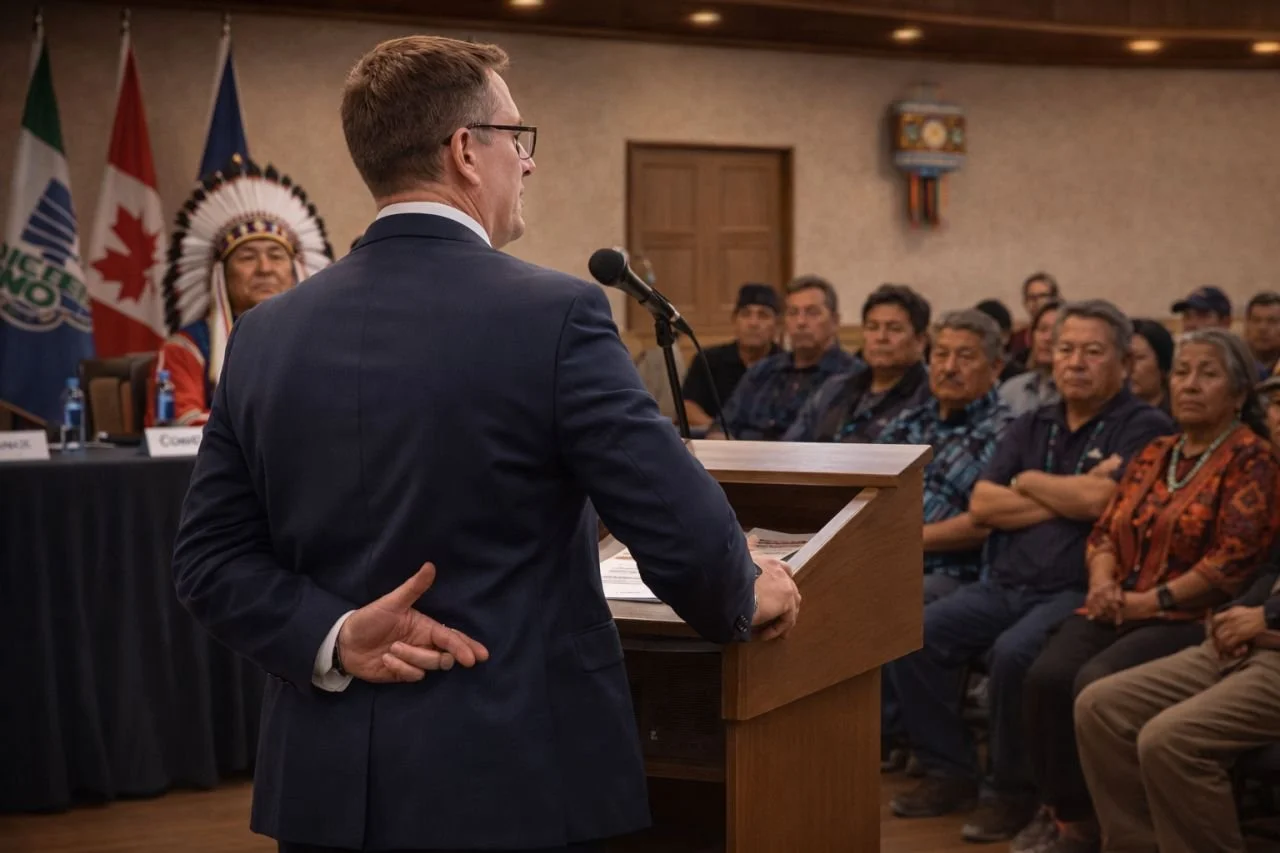
“The Indigenous Advisor Role” by Stan Knight
There has been a steady rise in Indigenous Advisor roles within large corporations across Canada. On paper, this signals progress. But many of us working in and alongside communities are wondering aloud:
Are these roles creating real influence or are they simply fulfilling a checkbox?
Lately, I’ve received several inquiries and offers to step into these kinds of roles. That alone tells me something is shifting. Organizations are looking for Indigenous voices. The real question is: what are they prepared to do with those voices once they’re at the table?
Maybe it’s the cynic in me, but I don’t fully trust these roles.
Maybe it comes from past experience. Or maybe it’s the growing realization that many companies are finally recognizing the economic reality, First Nations are central to resource development in this country.
But, I’m especially concerned when I see non-Indigenous people leading these roles. It makes me ask: Are we building pathways for Indigenous leadership or recreating old systems in new language? Is this a modern version of the Indian Agent, just operating under a different title?
From lived experience in housing, infrastructure, and advisory work, I’ve seen both sides. The value of Indigenous Advisors is undeniable when done right:
• Bringing lived experience into decision-making, not just theory
• Grounding corporate strategies in real community needs and realities
• Building trust where relationships have historically been broken
• Identifying risks and opportunities that others simply don’t see
• Helping shift systems toward long-term, community-led solutions
But the challenges are just as real:
• Advisory roles without decision-making authority
• Input that is heard but not acted on
• Being brought in too late, after key decisions are already made
• Cultural knowledge being extracted without proper respect or compensation
• Being positioned as the “Indigenous voice” without structural support behind it
The difference comes down to one thing: power. Are Indigenous Advisors shaping direction or reacting to it?
In my own work through Zachary Knight Enterprises and initiatives like Inspector in a Box, we’ve seen what happens when Indigenous knowledge leads from the start. Solutions become practical, scalable, and rooted in community priorities not corporate assumptions.
So I want to open this up:
• If you are in an Indigenous Advisor role, do you feel you are making a real impact?
• Where have you seen your voice lead to meaningful change?
• Where have you felt sidelined or tokenized?
• What needs to change for these roles to move from symbolic to structural?
There is a real opportunity here but only if organizations are willing to move beyond optics and into accountability.
#IndigenousLeadership #EconomicReconciliation
#IndigenousAdvisory #CorporateResponsibility
#CommunityLedSolutions #ReconciliationInAction
Originally posted by Stan Knight on LinkedIn — read the full post here: Read Full Post Here
Disclaimer: This article, "The Indigenous Advisor Role," was written by Stan Knight and is being shared by Indigital Relations for discussion purposes only. The views expressed belong to the original author and do not necessarily reflect the views of Indigital Relations.
